لوڈ ہو رہا ہے...

الصلوۃ والسلام علیک یارسول اللہ

Gyarween Shareef an Esaale-Sawaab

Quran

Kanzul Iman

Aqaaid

Ahle Sunnat

Articles

Shan e Rasool ﷺ

Video

Bayans

Ahlul

Bayat

Sahaba

Karam

Afzaliat

Siddiq e Akbar

Urs

Mubarak

Gyarween Shareef an Esaale-Sawaab

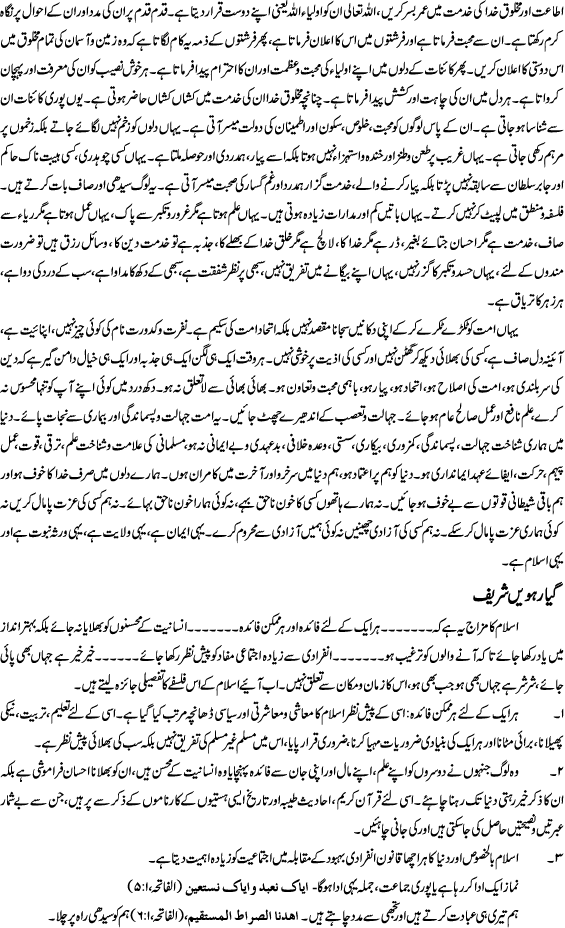
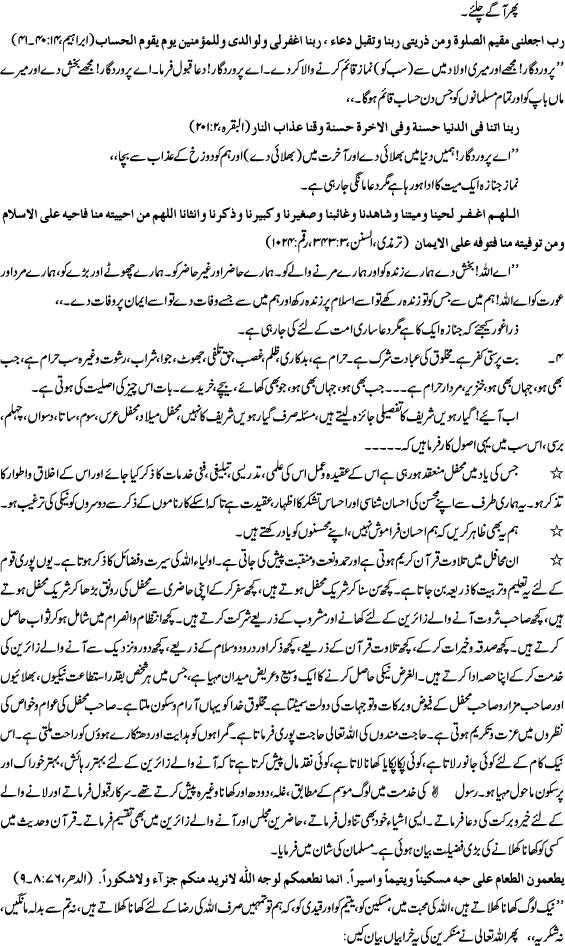
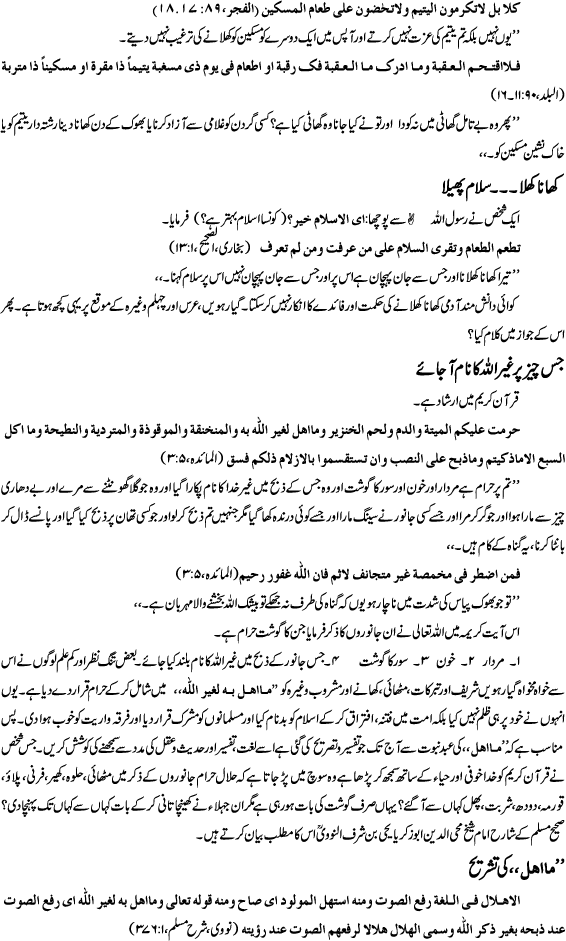
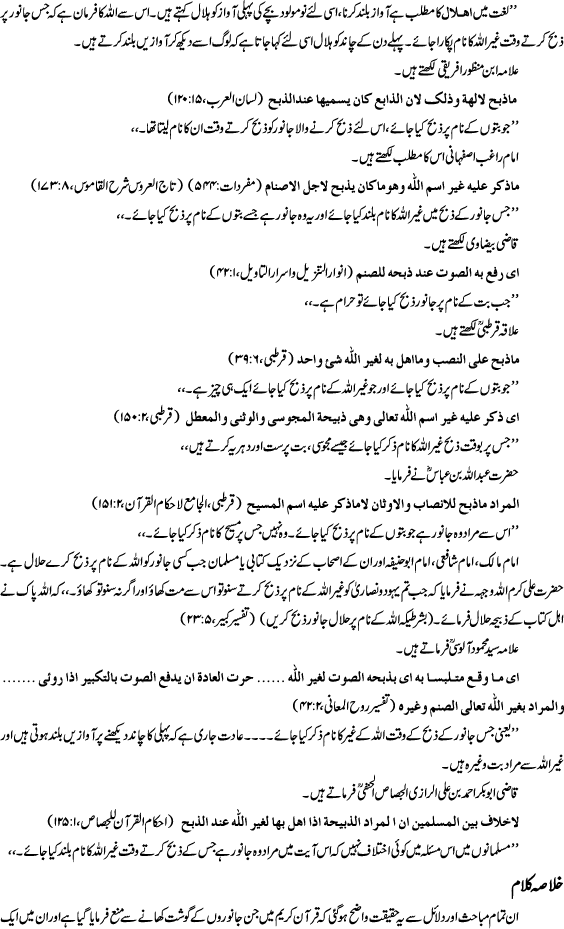
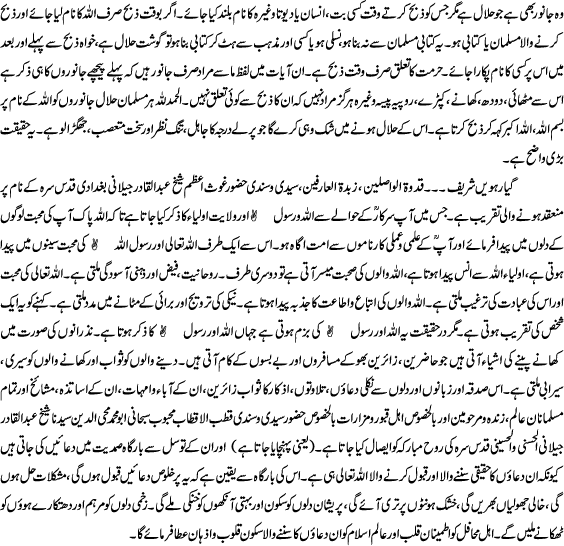
Giyarween Shareef is specifically an Esaale-Sawaab for Sayyiduna Sheikh Abdul Qaadir Jilani (Razi Allaho Anho). These are many proofs in the Holy Qur an, the Ahadith and from the statements of many of the illustrious Ulema and Mashaaikh of Islam substantiating the validity of Esaale-Sawaab.

Almighty Allah states in the Holy Quran: And those who came after them say, Our Lord forgive us and our brothers who came before us into the Faith, and leave not in our hearts rancour (dislike) against those who have believed. Our Lord! You are indeed full of Kindness, Most Merciful. (Surah Hashr: 10)

The Holy Prophet (Sallallaho Alaihay Wa Aalihi Wasallam) has stated: There is Allah’s Mercy on my Ummah. A person who is buried as a sinner, but with prayers and Istighfaar (asking for forgiveness) of Muslims, they with arise without sins (on the Day of Judgement). (Tibrani)

In another Hadith which is recorded in Sahih Mishkaat Shareef, it is narrated that a Sahaba once asked Prophet (Sallallaho Alaihay Wa Aalihi Wasallam): O Prophet of Allah! We give Sadqa (charity) on behalf of our deceased and perform Hajj on their behalf. Does the Sawaab reach them? The Holy Prophet (Sallallaho Alaihay Wa Aalihi Wasallam) replied: Yes, without doubt they become happy as one of you becomes happy when he is presented with a gift.

Some other Ahadith of Esaale Sawaab:

Hadith No.1:

It is in Abu Dawood and Nasa’i from Sa’ad ibn Ubaadah (radi Allahu anhu) that he asked the Prophet (Sall Allaho alaihi wasallam), “Ya Rasoolallah (Sall Allaho alaihi wasallam), Sa’ad’s mother has passed away. Which sadqa is best to do for her?’ The Prophet (Sall Allaho alaihi wasallam) said, ‘Make sadqa of water (since there was shortage of water then).’ He had a well dug and said; ‘This well is for the mother of Sa’ad’ in other words, the sawaab is for Sa’ad’s mother.”

Hadith No.2:

It is in Sahih Bukhari and Muslim on the authority of Ummul Mo’mineen Sayyida Aisha Siddiqa (radi Allahu anha), “A person came to the Prophet (Sall Allaho alaihi wasallam) and said that his mother passed away suddenly and he felt that if she had anything to say before her death, she would have requested sadqa. He asked that if she would receive any sawaab if he made sadqa on her behalf. The Prophet (Sall Allaho alaihi wasallam) answered by saying, ‘Yes’ (she would receive the reward).”

Whilst commentating on this Hadith in Ash’atul Lamaat, Hazrat Sheikh Abdul Haq Muhadith-e-Dehlwi alaihir rahma states, “This Hadith is proof of the fact that the deceased receives sawaab from Sadqa and the same refers to Dua. This (sending sawaab to the deceased) has been the manner of the Ahle Haq (Righteous Scholars). There has been a difference of opinion according to some relating to sending sawaab of physical Ibaadat such as Namaaz and recitation of the Quran. The Proper Mazhab is that these actions give reward to the deceased and this is based on the reasoning that Dua (gives reward to deceased)

Hadith No.3: 

Abu Dawood reports on the authority of Amr bin Sha’ab who himself narrates a Hadith from his father and Grandfather as follows, “A’as ibn Waa’il made a wasiyat (declaration) that one hundred slaves should be freed on his name (after his death). In complying with his request, his son Hishaam freed fifty slaves on his name. His other son Amr intended to free another fifty slaves but decided to first take the permission of the Holy Prophet (Sall Allaho alaihi wasallam). He presented himself in the Court of the Holy Prophet (Sall Allaho alaihi wasallam) and said, ‘Ya Rasoolallah (Sall Allaho alaihi wasallam), my father made wasiyat that we should free one hundred slaves on his name (after his death) and Hishaam has already freed fifty slaves. Now fifty slaves are left to be freed. May I free those fifty slaves?’ The Prophet (Sall Allaho alaihi wasallam) said, ‘If he was a Muslim and you freed the slaves on his name, or if you gave sadqa or made Hajj on his name, he would have received this (reward).”

Sheikh Muhaqqiq has stated as follows concerning this Hadith in Lam’aat: “From this, it is evident that no amount of sadqa can give a Kaafir any benefit or freedom (from torment of the hereafter). The Muslim (deceased) attains benefit from Ibaadat through wealth and bodily Ibaadat.”

Hadith No.4: 

“If one recites Surah Ikhlaas (Surah Qul huwallah) eleven (11) times and sends its sawaab to the deceased, then the person reciting receives sawaab equivalent to the one to whom it is being sent.” This Hadith has also been recorded in Durr Mukhtar in the Chapter on ‘Janaazah’ and in Fathul Qadeer in the chapter on ‘Making Hajj on behalf of the deceased’.

The Ahadith and the verses, as well as many other, suggest that Dua and Esaale-Sawaab for those Muslims who come before is a highly commendable act. This action of making Dua is also the essence of the Giyarwee Shareef. Although the event pertains the Great Saint, all Muslims are remembered in the Duas for Esaale-Sawaab.

The celebration of Giyarween Shareef has been observed by great Awliya and Ulema for many hundreds of years. Giyarween Shareef is specifically an Esaale-Sawaab for Ghaus-al Azam (radi Allahu anhu).

It is also celebrated o the 11th of every Islamic Month (Giyarween means eleven in Urdu) in many mosques or by individuals at home. This auspicious function takes place both nationally and internationally endowing great spiritual benefits and Barakah.

Describing the circumstances of his time, Sheikh Abdul Haq Muhaddith Dehlvi (Razi Allaho Anho) in Ma Thabata minas Sunnah writes: Verily in our country (Indo-Pak sub-continent) in these times, the celebration of Giyarwee Shareef is widespread. It is more famous among the Mashaaikh of the Qaderiyyah Order.

Shah Abdul Aziz Muhaddith Dehlvi (Razi Allaho Anho) states in his Fatawa Azeeziyah: To read Fateha and to send his Sawaab to the Arwaah (souls) is permitted and correct.

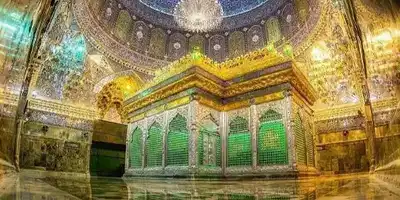
He further states in his Malfoozat-e-Azeezi: During the Giyarwee Shareef, the Sultan and the pious elders congregate at the Mazaar Shareef (Blessed Tomb) of Sayyiduna Sheikh Abdul Qaadir Jilani in Baghdad Shareef. They recite the Khatam Shareef from Asar Salaah till Maghrib Salaah and also recite the praises the praises of Sayyiduna Sheikh Abdul Qaadir Jilani (Razi Allaho Anho). After the Maghrib Salaah, the Spiritual Head sits in the middle of the congregation and leads the Zikr. On this occasion many people experience a sense of Wajd (spiritual ecstasy). This is followed by distribution of sweets prepared for the function. The people disperse after the Esha Salaah.

There are numerous scholars who have elaborated on the Giyarween Shareef. To name a few: The son of Mulla Jeewan (Razi Allaho Anho) in his book, Wajeesus Siraat. Mulla Jeewan is also the teacher of Sultan Aurangzeb Alamgir, the Great Mughal Emperor; Allama Ghulam Sarwar Lahori (Razi Allaho Anho), author of Khazinat ul Asfiyah; Sheikh Abdul Haq Muhaddith Dehlvi (Razi Allaho Anho) in his book Akhbaar-ul Ahyaar; Shah Abul Muaali (Razi Allaho Anho) in his book Tuhfa-e-Qaaderiyah; Arif-e-Billah Imam Shatooni (Razi Allaho Anho) in his famous Kitaab Bah-jatul Asrar Shareef.

Ref: https://dargahawlia.wordpress.com/gyarween-shareef/


icon

Urs Mubarak

Urs Mubarak List

1st
Muharram
Hazrat Shahabuddin Soharwardi Rehmat ullah alaih

Baghdad Shareef

1st
Muharram
Hazrat Shaikh Sharf-ud-deen Abul Hasan Ali al-Hakkaari Rehmat Ullah Alaih

Baghdad Shareef

1st
Muharram
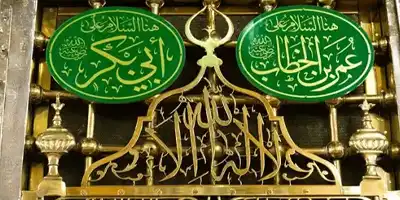
Hazrat Umar Ibn Khattab Razi Allah Anhu

Madina Munawara

2nd
Muharram
Hazrat Khawaja Maroof Kharkhi Rehmat Ullah Alaih

Baghdad Shareef

5th
Muharram
Hazrat Baba Fariduddin Ganje Shakar Rehmat ullah alaih

Pak-Pattan Shareef

8th
Muharram
Hazrat Moulana Hashmat Ali Khan (Rehmat ullah alaih)

Peelibhit Shareef

9th
Muharram
Mirza Mazhar Jan Janaa (Rehmat ull ahalaih)

Delhi

9th
Muharram
Shajra
Hazrat Qasim Bin Muhammad bin Abu Bakr Siddiq (Radi Allahu anhu)

Al-Qudayd

10th
Muharram
Hazrat Imam Hussain Razi Allah Anhu

Karbala

10th
Muharram
Hazrat Syed Shah Barkatullah Ishki (Rehmat ullah alaih)

Mahrerah Shareef

10th
Muharram
Shajra
Hazrat Khawaja Abul Hassan Kharqani Razi Allah Anhu

Kharqan

14th
Muharram
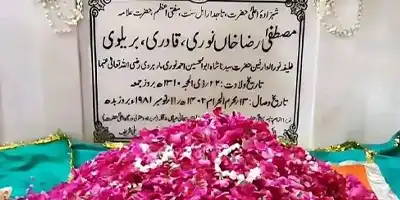
Mufti-e-Azam Hind Maulana Mustafa Raza Khan (Rehmat ullah alaih)

Bareilly Shareef

14th
Muharram
Hazrat Imam Zainul Aabdin (Radi Allahu anhu)

Madinah Shareef

19th
Muharram
Shajra
Hazrat Khawaja Darvesh Muhammad Razi Allah Anhu

Istafrar

20th
Muharram
Syedna Hazrat Bilal Habashi Radi Allahu anhu

Syria

20th
Muharram
Hazrat Shah Waliyullah Dhelwi (Rehmat ullah alaih)

Dehli

22nd
Muharram
Hazrat Imam Hasan Askari (Rehmat ullah alaih)

Samarrah (Iraq)

26th
Muharram
Hazrat Syed Muhammad Tajuddin Rehmat ullah alaih

Nagpur

28th
Muharram
Makhdoom Syed Ashraf Jahangir (Rehmat ullah alaih)

Kichaucha Shareef

29th
Muharram
Shajra
Hazrat Khawaja Muhammad Naqshband Sani Razi Allah Anhu

Sirhind Sharif

Details No Video
30th
Muharram
Syed Miraan Ali Datar (Rehmat ullah alaih)

Gujrat

1st
Safar
Hazrat Haji Warsi Ali Shah (Rehmat ullah alaih)

Dewa Sherif, Lucknow, India

4th
Safar
Shajra
Hazrat Hafiz Syed Jamal Ullah Razi Allah Anhu

Rampur

5th
Safar
Shajra
Hazrat Khawaja Yaqoob Charkhi Razi Allah Anhu

Tajikstan

7th
Safar
Khawaja Muhammad Suleman Tonswi Rehmat ullah alaih

Tonswa Shareef

0%